

We’ve all been there: that moment a thought, a feeling, a task, or a person sparks a fire of distress or anxiety. Instinctively, we reach for the emergency exit, a psychological mechanism known as avoidance. It’s the ultimate short-term fix, a way to instantly hit the “Mute” button on discomfort, although only temporarily (but little did I know that)
But here’s the brutal truth: while avoidance delivers a fleeting moment of peace, it’s actually the architect of your greater fear. By constantly running from what scares you, you are tragically reinforcing the very anxieties you’re trying to escape, caging yourself off from the experiences and growth that lead to a full, rich life.

The Reinforcement Loop of Avoidance
Avoidance is one of those sneaky habits that feels harmless—helpful, even—until it quietly takes over your life. Psych students will know this already, but it’s all built on negative reinforcement: every time we dodge discomfort, our brain rewards us with relief. And that’s where the loop begins.
1. The Trigger: Something sets it off—a thought like “I might fail”, a wave of anxiety, or an upcoming confrontation.
2. The Avoidant Response: We do something (or nothing) to escape that feeling: procrastinate, scroll, zone out, withdraw, overwork, or pour another drink.
3. The Temporary Relief: The moment we avoid, the tension drops. The brain says, “Perfect. That worked.” Relief becomes the reward.
4. The Long-Term Cost: The problem? We never learn that the fear could’ve passed on its own, or that we could’ve handled it. So the next time, the fear feels even bigger.
Over time, life starts to shrink. I saw it happen to myself during my first two years of university—my world became smaller because I was always trying to stay “safe.”
Why We Avoid (and What It’s Really Protecting)
Avoidance isn’t random or lazy. It’s usually our brain trying to protect us from something that feels unbearable—failure, rejection, emotional pain, or loss of control.
1. Fear of Failure & Perfectionism
How it shows up: Procrastination, endless planning, or refusing to start at all.
What’s underneath: It’s easier to cling to the possibility of success than to risk proving we can fail. Avoiding protects our self-worth—at least temporarily.
2. Emotional & Experiential Avoidance
How it shows up: Dissociation, numbing out, bingeing Netflix, doomscrolling, or drinking.
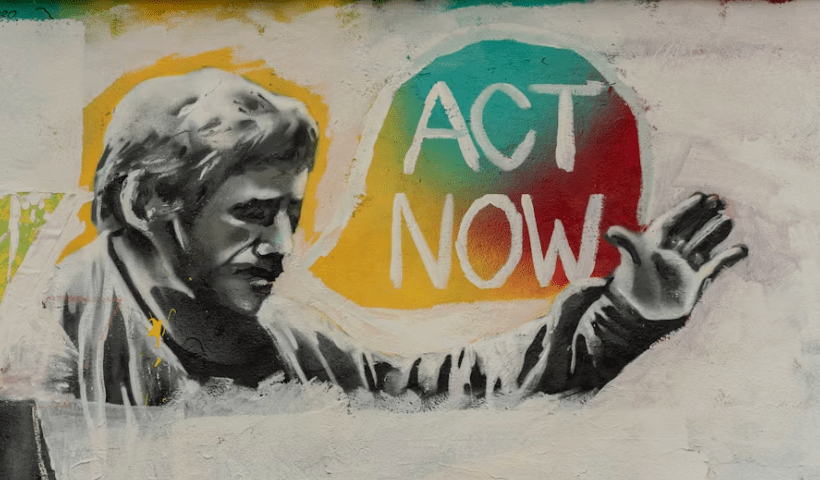
What’s underneath: A belief that painful feelings are intolerable. Acceptance and Commitment Therapy (ACT) tackles this by helping people make space for difficult emotions instead of fighting them.
3. Safety-Seeking in Anxiety
How it shows up: Avoiding social events, relying on “safety objects” (like your phone), checking things over and over, or sticking to rigid routines.
What’s underneath: The idea that if we just do this one thing, nothing bad will happen. But these safety behaviours actually keep the anxiety alive.
The Path Out?

The only way to break the cycle of avoidance is to gently turn toward what you’ve been running from, not all at once, but slowly, intentionally, and with self-compassion. It’s less about forcing yourself to “be brave” and more about allowing discomfort to exist without letting it control you.
Vulnerability ≠ Weakness: The hard conversations, the uncertain moments, the feelings we’d rather numb out, they’re not barriers to overcome, they’re invitations to grow. Every time we choose to stay present with something uncomfortable, we teach our brain that we can handle more than it thinks.
- Mindfulness and the Pause: Notice the urge to avoid. Feel that stomach drop. Then pause. That space between urge and action is where change begins.
- Gradual Exposure: You don’t need to dive into the deep end. Start small. Each step proves to your brain that discomfort is survivable—and that you’re more capable than the fear suggests.
- Shift the Goal: The goal isn’t to “feel better.” It’s to live better, even when you don’t feel great. Growth isn’t the absence of anxiety—it’s the presence of courage in spite of it.


Leave a Reply