
Ever noticed that subtle twitch of discomfort when you encounter something that deviates from what you consider “normal”? I remember taking a ‘Positive Space‘ course not too long ago. I went into it expecting to learn some etiquette, maybe some new terms, but what I actually found was a powerful, and frankly humbling, explanation for this discomfort type feeling which is also what the blog will be about today.
It was a lightbulb moment. I realized that my initial unease wasn’t a personal failing. It was a reflex. And as a big-brained human, I have the power to override that reflex. So, I thought I’d share some of what I learned. It combines some of the course material with my own thoughts, and it’s a bit of a “dramatic dad” moment for me because it’s about sharing something I now know to be so fundamental.
Perhaps seeing a same-sex couple holding hands, or finding yourself unsure how to interact with someone with a visible disability, or even better, when you don’t know how to react around a person who is struggling with substance abuse. That fleeting unease, that moment of internal friction, is a profoundly human experience rooted in the most ancient parts of our brain. It’s not necessarily a judgment, but often a deeply ingrained, almost automatic response to the unfamiliar.
Researching more into that feeling, I uncovered a lot of other interesting things. Let’s unpack why these encounters can trigger an “uncomfortable switch” in our minds, and how, in our modern world, we can consciously override these primal reactions to build a more inclusive and peaceful society.
The Amygdala’s Ancient Alarm System Meets Modern Life
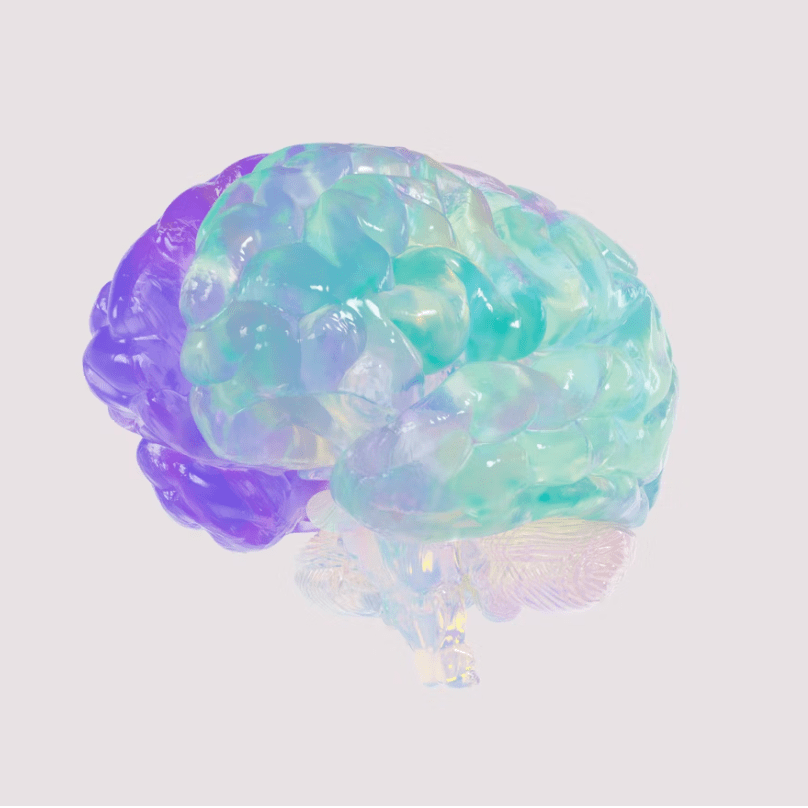
Our brain, particularly the amygdala, is a relic of our evolutionary past. This almond-shaped structure is a master of rapid threat detection. For our ancestors, an unfamiliar rustle in the bushes, a strange face from another tribe, or an unexpected change in their environment could literally mean the difference between life and death. The amygdala’s job was to flag anything “new” or “different” as a potential danger, triggering an immediate stress response. This “better safe than sorry” mechanism kept us alive.
The problem? Our modern world is vastly different from the savannas and caves where our brains evolved.
Today, the amygdala, an ancient alarm system, struggles to differentiate between a genuinely dangerous predator and something that simply doesn’t fit into our learned social patterns. It can’t tell the difference between a life-threatening tiger and a same-sex couple expressing affection, or an individual whose physical differences don’t pose any threat. For our primal brain, anything outside the “norm” it has been conditioned to recognize can trigger that same “uncomfortable switch.”
Social Conditioning: What Our Brains Learn is “Normal”
This isn’t just about raw biology; it’s also heavily influenced by social conditioning. From the moment we’re born, our environment shapes what our brains perceive as “normal” and “familiar.”
- For Generations: Most societies historically presented a very narrow definition of relationships, heterosexual, often patriarchal, and centered on procreation. When our brains, conditioned by decades or even centuries of these societal norms, encounter a same-sex couple, it clashes with this deeply ingrained “template” of what a relationship “should” look like. The amygdala, mistaking this unfamiliarity for a threat to the established social order (which to a primal brain can feel like a threat to one’s own safety), may trigger that flash of discomfort.
- Regarding Disability: Similarly, many cultures, historically and even in modern times, have often marginalized or segregated people with disabilities. This lack of exposure can lead to a default “othering” in our minds. When we encounter someone with a disability, our brain might struggle to categorize them within our existing “normal” framework. This can manifest as awkwardness, a fear of saying the wrong thing, or even an unconscious perception of vulnerability or deviation from an expected physical form, which the amygdala, again, might misinterpret as an anomaly or something to be wary of.
- For Individuals Struggling with Addiction: The journey through addiction and recovery is a deeply personal one, often marked by moments of profound discomfort. This isn’t just a mental struggle; it’s a battle happening inside the brain, a complex interplay between ancient survival instincts and the powerful grip of chemical dependence. The brain, having been conditioned to seek the substance, begins to perceive its absence not just as a craving, but as a genuine threat to survival. This can trigger intense anxiety, discomfort, and panic, making the idea of sobriety feel not just difficult, but terrifying
It’s crucial to understand that these initial flashes of discomfort are often unconscious and automatic, not necessarily a conscious act of prejudice. They are the echoes of an ancient threat detection system operating in an entirely new context.
Moving Beyond the Primal Flinch: The Power of Our Prefrontal Cortex
While our amygdala might be stuck in the Stone Age, our prefrontal cortex, the part of our brain responsible for conscious thought, empathy, and executive function, allows us to evolve beyond these primal reactions.
This is where true change happens.
- Acknowledge, Don’t Judge: The first step is awareness. Recognize that initial flicker of discomfort without shame or judgment. It’s a biological reflex, not a moral failing.
- Engage Your Prefrontal Cortex: Instead of letting the amygdala’s alarm dictate your response, consciously engage your higher brain. Ask yourself: “Is this truly a threat? Or is it just unfamiliar?”
- Seek Exposure and Education: The more we expose ourselves to what is “different,” the more our brains habituate.
- For LGBTQ+ individuals: Seek out stories, engage in respectful dialogue, and simply observe same-sex couples living their lives. Your brain will learn that love is love, regardless of gender, and that these relationships pose no threat.
- For people with disabilities: Educate yourself, learn about different disabilities, and, most importantly, interact with people with disabilities as individuals. You’ll quickly realize that they are just people, with unique experiences, strengths, and challenges, who deserve the same respect and inclusion as anyone else.
- For people struggling with substance abuse: Understand that addiction is a chronic disease, not a moral failing. Learn about the brain science behind addiction and how it rewires a person’s behaviour. The more you learn, the more you can replace judgment with compassion. Engaging in conversations without judgment and offering support (without enabling) can help create a safe space for those on their journey to recovery.
- Empathize and Connect: Actively practice empathy. Try to imagine the world from another person’s perspective. Understanding that everyone deserves dignity and respect can override the amygdala’s primitive alarm.
The journey from an unconscious flinch to conscious acceptance is a powerful one. By understanding the ancient mechanisms at play and intentionally choosing to engage our higher cognitive functions, we can retrain our brains. We can learn to differentiate between genuine danger and mere unfamiliarity, fostering a world where everyone can exist peacefully, authentically, and without triggering the “uncomfortable switch” of those around them. This isn’t just about being “nice”; it’s about actively evolving our humanity.
~m <33
 In the Quiet Between
Leave a comment